
By: David J. Glass, Certified Family Law Therapist and Former Psychologist
For many parents navigating high-conflict separations or divorces, the battlefield isn't always in a courtroom; it's also in the heart and mind of their child. When one parent uses a child as a weapon to hurt the other, they often employ a toolkit of psychological manipulation: alienation, brainwashing, badmouthing, and gaslighting.
Understanding these terms is the first step toward healing and protection.
1. Parental Alienation
Parental alienation is a process where a child becomes unjustifiably hostile or distant toward one parent (the "targeted" parent) due to the psychological manipulation of the other parent (the "alienating" parent). It is often described as a form of "emotional gatekeeping" that severs the bond between a child and a once-loved parent.
2. Brainwashing: Rewriting the Child's Narrative
Brainwashing is the systematic attempt to change a child's beliefs and perceptions. In this context, the alienating parent might:
- Create "False Memories": Suggesting things happened that never did to make the other parent seem dangerous or unloving.
- Enforce an "Us vs. Them" Mentality: Forcing the child to choose sides to prove their loyalty.
- Oversharing: Giving the child adult-level details about the divorce or legal battles to paint the other parent as the villain.
3. Badmouthing: The Power of Constant Negativity
Badmouthing is the most common and visible tactic. It involves making disparaging remarks about the other parent within earshot of the child. It can be subtle ("I'm so sorry your dad is too busy for you again") or overt ("Your mother is a liar"). Over time, these constant drips of negativity erode the child's respect for the targeted parent.
4. Gaslighting: Distorting Reality
Gaslighting is a form of psychological abuse where the manipulator makes someone question their own sanity or memory. For a child, this might look like:
- Denying Affection: The alienating parent may deny that the child ever had a good time with the other parent.
- Invalidating Feelings: Telling a child they aren't actually sad to leave the other parent, or that they should feel "scared" when they don't.
- Shifting Blame: Making the child feel responsible for the alienating parent's emotional distress.
The Impact on the Child
It is important to remember that these tactics don't just hurt the targeted parent—they are a form of emotional child abuse. Children subjected to this often struggle with:
- Identity confusion and low self-esteem.
- Guilt over "betraying" one parent.
- Difficulty forming healthy relationships in adulthood.
- Depression and anxiety.
Finding a Way Forward
If you are the targeted parent, the most important thing you can do is remain a "healthy harbor." Continue to show up, stay calm, and avoid stooping to the same level of badmouthing.
Note: Because these situations often involve legal and psychological complexities, it is highly recommended to seek support from a therapist specializing in high-conflict divorce or a legal professional familiar with parental alienation.
If you've not yet watched Season 8, Episode 2, with Dr. Richard Warshak, I urge you to do so. It is very eye-opening.
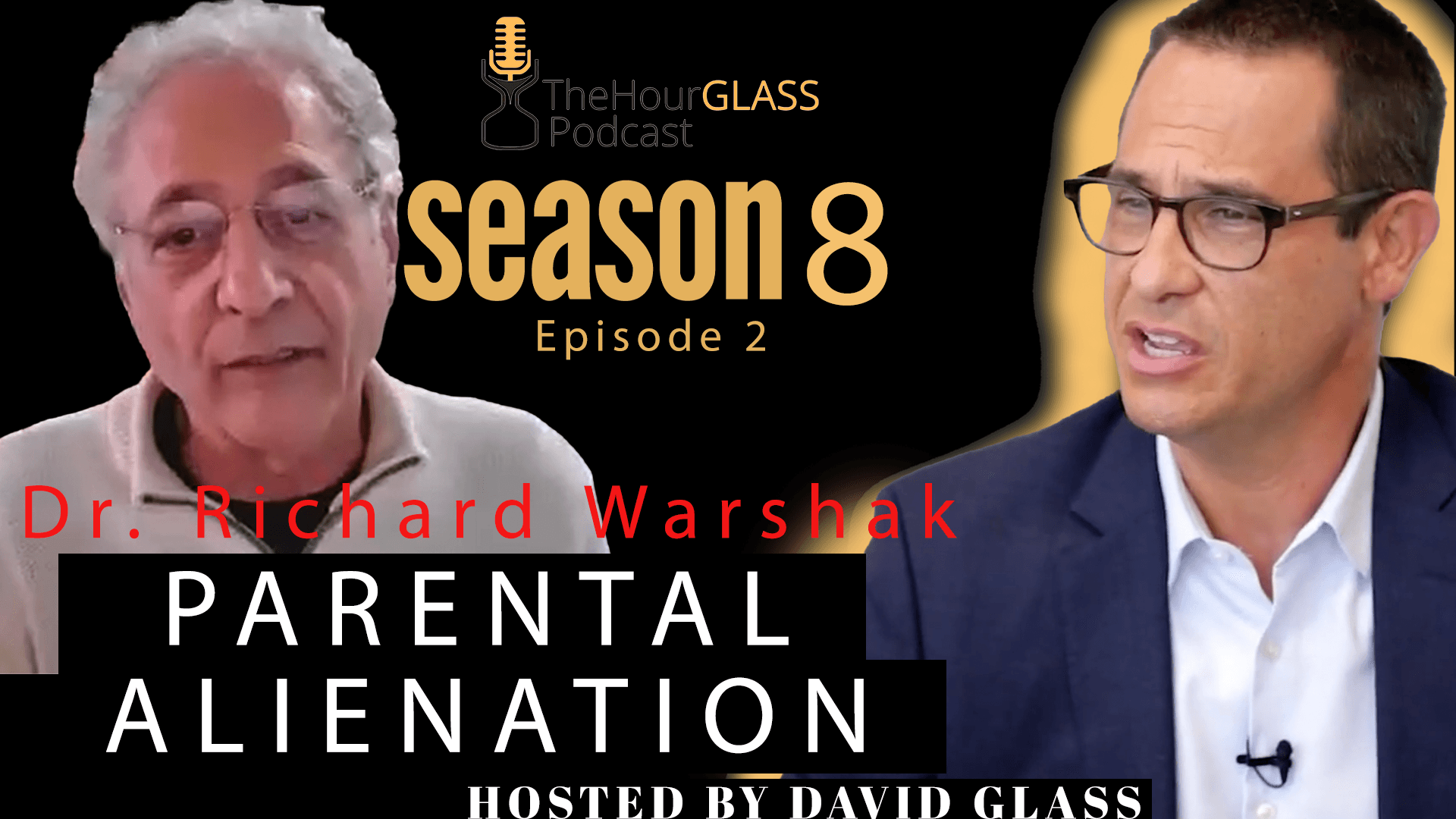
Listen to Host Glass's Season 8 Episode 2 with Dr. Richard Warshak, I urge you to do so. It is very eye-opening.
Watch the Full Episode